

We Are Here to Help You Avoid Crisis

Earthquakes have done billions of dollars of needless damage to wood-frame houses, leaving families homeless and desperate. Why so much damage? Because most homes built prior to this century lack the strength to resist extreme lateral force. Why needless? Because they could easily have been strengthened for a wee fraction of the restoration cost. Through this website, we endeavour to familiarize you with structural and non-structural protection methods and let you know how we can help. Feel free to call us for information, too.
Find Out What Kind of Upgrades Your Home May Need
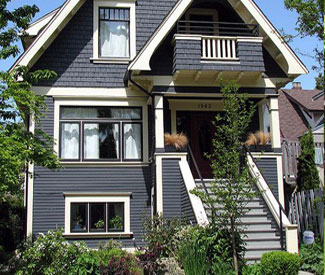
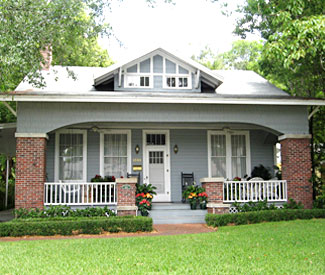 Crawlspace, joists on foundation
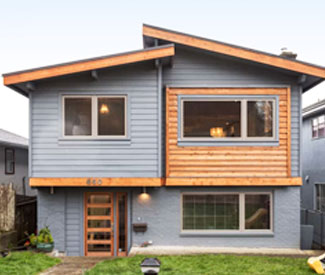
How Reliable Will Your Retrofit Be?
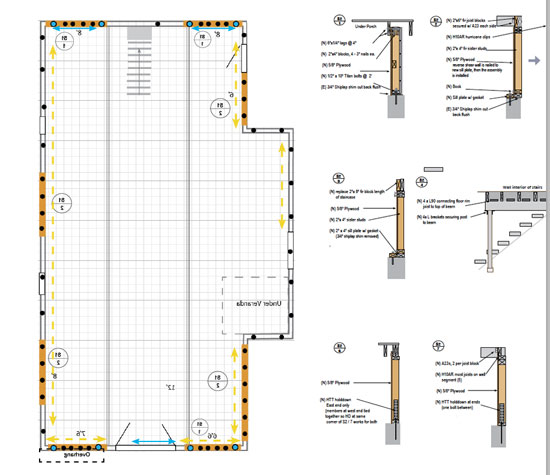 We can only speak for our own retrofits as our founder has specialized training from a structural engineer. That knowledge has been passed on to the rest of the team, which includes a certified home builder, making them the most highly specialized in this field. Our retrofits are designed to withstand enormous force, measured in tons, with the objective of keeping you safely in place after the shaking is over. It is reasonable to expect some damage, but relatively minor. That said, have a look at the height and location of your neighbour’s chimney just to be safe.
Here’s the Perfect Example: Napa Valley 2014
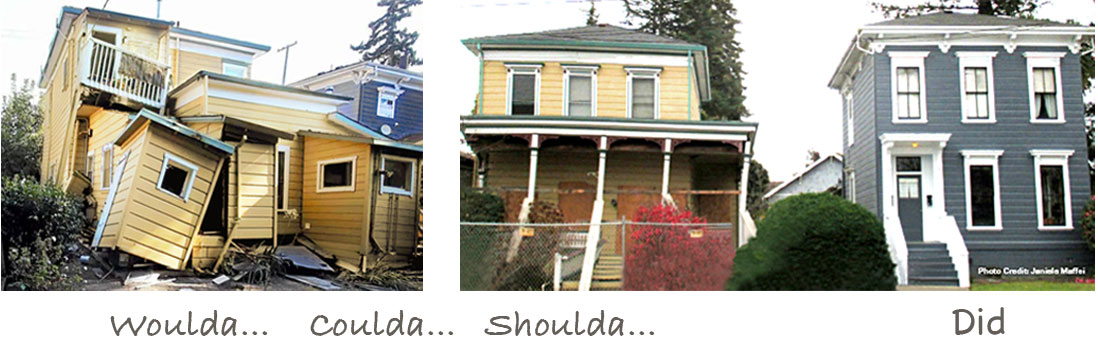
In Earthquake Territory, Do You Really Want to Gamble Your Home?

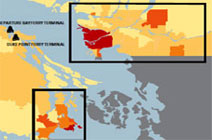 This map was created by the Institute